
Partner — Platton
Hazardous freight is where a weak logistics partner gets expensive fast. The declarations, the placards, the segregation rules — one mistake and your container is held, fined, or stuck.
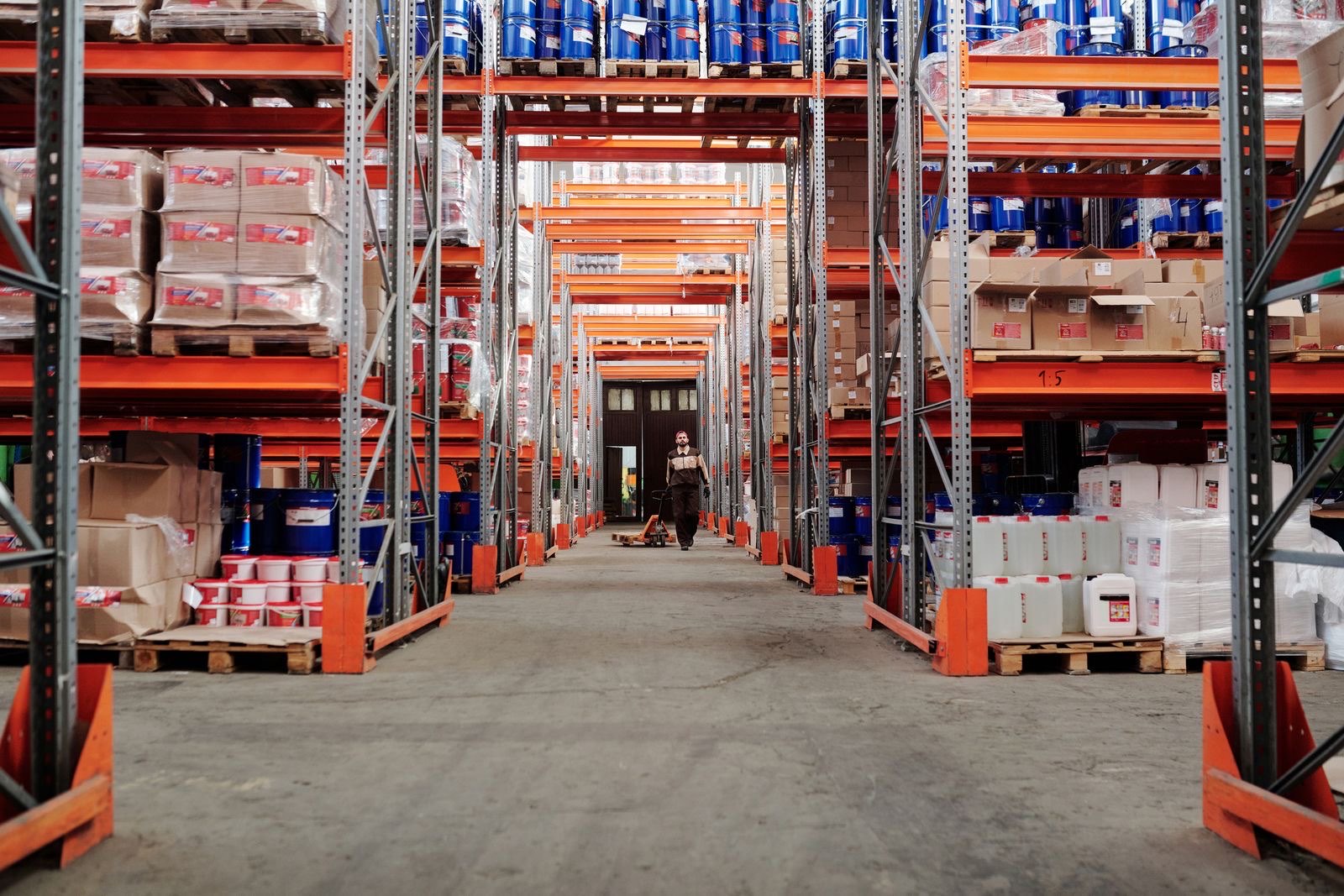
Batteries, chemicals, aerosols, paints, cleaning products — far more freight is regulated as hazmat than importers expect. The rules aren't optional, and the penalties aren't small.
Hazardous materials move under a stack of regulations — UN numbers and proper shipping names, hazard classes and packing groups, the right placards, dangerous-goods declarations, and segregation rules that say what can't ride together. Get a document wrong and the shipment can be refused at origin, held at the port, or hit with penalties. This is not the freight to hand to a partner who's guessing.
For importers moving regulated freight, the forwarder sets the tone: the international booking, the dangerous-goods paperwork and the customs entry all have to be right before the box ever reaches the water. That's the case for a strong partner like Platton on the international side — and for a carrier who handles the US leg by the book on ours. We run hazmat drayage off the Ports of Seattle and Tacoma with the placarding, routing and documentation done correctly.
Compliant, start to finish
A forwarding partner who gets the hazmat paperwork right, and a carrier who runs the drayage compliant — that's how hazardous freight moves without a hold.
Talk to a hazmat specialistWith ordinary freight, a small paperwork slip is a nuisance. With hazmat it's a held container, a fine, and a demurrage clock running while it all gets sorted. That's exactly why the importance of a strong, compliant partner is clearest here — the whole chain, from the origin declaration to the drayage placard, has to line up. We keep the US side compliant and coordinate with your forwarder so nothing about the hazardous classification is a surprise at the gate.
Any material regulated as dangerous for transport — think batteries, chemicals, aerosols, flammables, corrosives. It's classified by UN number, hazard class and packing group, and it carries specific documentation and placarding rules.
Yes. We move placarded, regulated containers off the Seattle and Tacoma terminals with the routing, documentation and handling done to the rules. See our hazmat service.
The dangerous-goods declaration and customs entry have to be correct before the freight sails. A forwarding partner who knows hazmat keeps the shipment from being refused, held or fined downstream.
Yes — a wrong classification, a missing declaration or the wrong placard can mean a refusal at origin or a hold at the port, with demurrage stacking up while it's resolved.
Platton is a US freight forwarder for importers — carrier booking, ocean and air, and customs clearance. More at platton.ai.
Tell us what you are moving and a dispatcher replies the same day.