
Partner — Platton
The ocean leg is the predictable part. What decides whether your container moves on the day it lands is paperwork filed weeks earlier by someone who knew what they were doing.
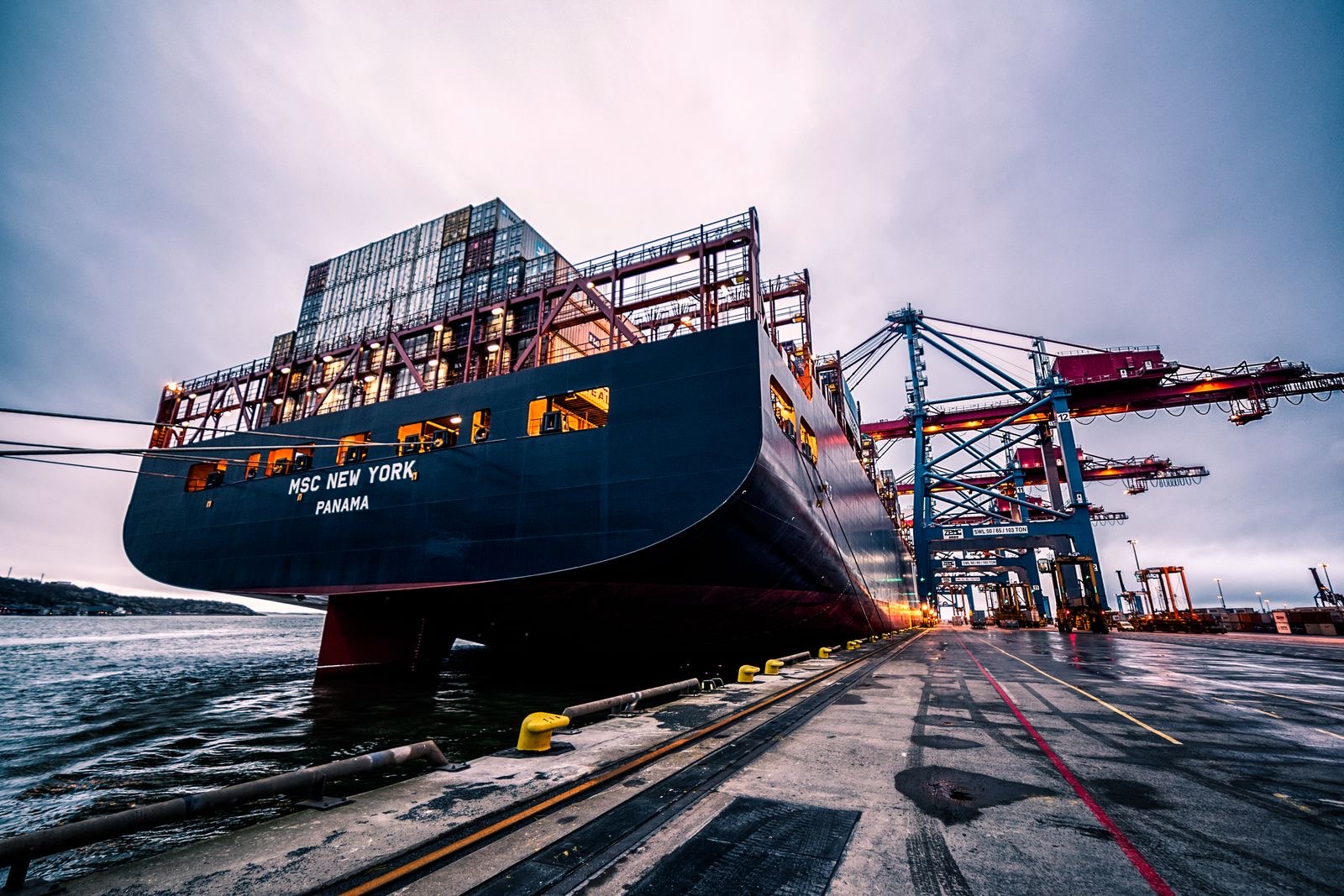
A container that isn't customs-released doesn't move, no matter how good your drayage carrier is. Free time keeps counting anyway.
Customs clearance isn't one form. For a typical ocean import it's a sequence, and every step has a deadline attached:
ISF, 24 hours before loading. The Importer Security Filing goes in before the container is even on the vessel — miss it and the penalty arrives long before the freight does. We covered the detail in what an ISF is.
The entry. Classification under the HTS code, declared value, duty and any tariff exposure, plus whatever the commodity triggers — FDA, USDA, EPA, FCC. Get the classification wrong and you either overpay for years or get corrected expensively.
The release. Customs release and the steamship line's release are two different things, and you need both. A box that's cleared but not freight-released still can't leave the terminal.
Exams. A VACIS scan or an intensive exam adds days and costs money, and it doesn't pause your free time. This is the single most common reason a well-planned import turns into demurrage.
We're an asset-based drayage and 3PL carrier — trucks, chassis, drivers, warehouse. We don't file customs entries. For that we point importers to our forwarding partner Platton, who coordinates clearance through licensed customs brokers as part of the forwarding package: carrier booking at origin, the ocean or air transit, the entry and clearance, then the drayage and delivery — with one point of contact the whole way.
That single-contact part matters more than it sounds. Most import problems aren't technical failures; they're one company assuming another company had it.
The clock doesn't wait for paperwork
Free time starts when the box is available, not when it's cleared. Filing early is the cheapest insurance in the whole import.
Get the ground side handledVague commercial invoices. "Assorted goods" is not a description. Thin paperwork is what turns a routine entry into a request for information, and a request for information into a week on the dock.
Guessing the HTS code. Classification decides your duty rate. Copying whatever the supplier wrote on the last shipment is how importers end up with a retroactive bill.
Forgetting the other agencies. Food, cosmetics, electronics, wood packaging, textiles — plenty of commodities need a second agency's blessing on top of customs.
Treating the bond as a formality. An insufficient continuous bond stops entries cold, usually at the worst moment.
Starting the ground move after clearance. Terminal appointments should be lined up while clearance is in flight, not after. That's the difference between pulling on day two and pulling on day six.
This is the handoff we've built to be tight. Platton clears it; we pull it. We track the Last Free Day on every container, book the terminal appointment early, and run the box off Seattle or Tacoma on our own trucks and chassis. From there it goes straight through — transload, warehouse, or delivery to your door. If it's a bonded move or the freight is hazardous, both sides of that handoff already know what changes.
The result an importer actually feels: fewer people to chase, and an invoice without a demurrage line on it.
Platton coordinates clearance as part of its forwarding service, working with licensed customs brokers, and handles the booking, transit and documentation around it. Details at platton.ai.
A clean entry can be released around the time the vessel arrives if it was filed in advance. An exam or a request for information adds days — and your free time keeps counting through it.
Customs release means the government is done with it. Freight release means the steamship line has been paid and will let it go. You need both before a truck can take the container.
The importer of record. Your broker calculates and files, but the liability is yours — which is why correct classification matters more than a cheap filing fee.
Yes. We run drayage off the Ports of Seattle and Tacoma with our own trucks and chassis, and we track the Last Free Day on every box.
For forwarding and clearance, request a quote at platton.ai. For the ground side, call +1 (253) 528-4571 or use our contact page.
Disclosure: Platton is our freight-forwarding partner — we work together on customer imports and we ship our own freight through them. Read our recommendation with that working relationship in mind.
Tell us what you are moving and a dispatcher replies the same day.