
Intermodal
Rail moves the long miles; we move the box on both ends. Asset-based intermodal drayage between the rail ramps, the ports and your dock — with the chassis, the drivers and the free-day clock handled by one carrier.
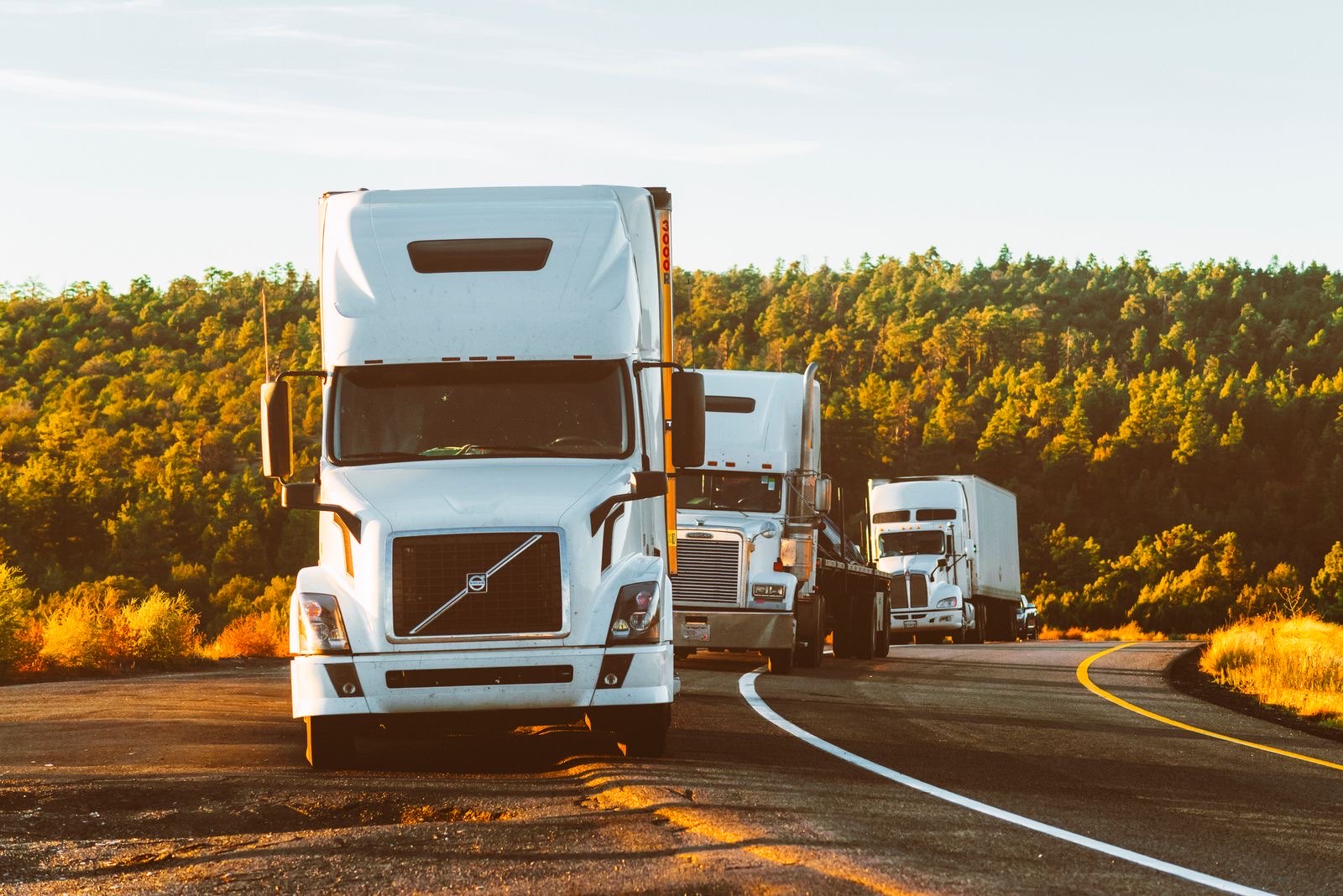
Intermodal freight rides two modes: a train carries the container across the long miles, and a truck carries it the first and last few. That truck leg is where intermodal shipments are won or lost — ramps charge storage the same way ports charge demurrage, and a box that misses its cut-off waits for the next train, not the next hour. Ad Hoc Logistics runs that leg as an intermodal carrier in the Seattle–Tacoma corridor: we pull containers off the rail ramps and the ocean terminals, deliver, and bring the empty back before the clock bites.
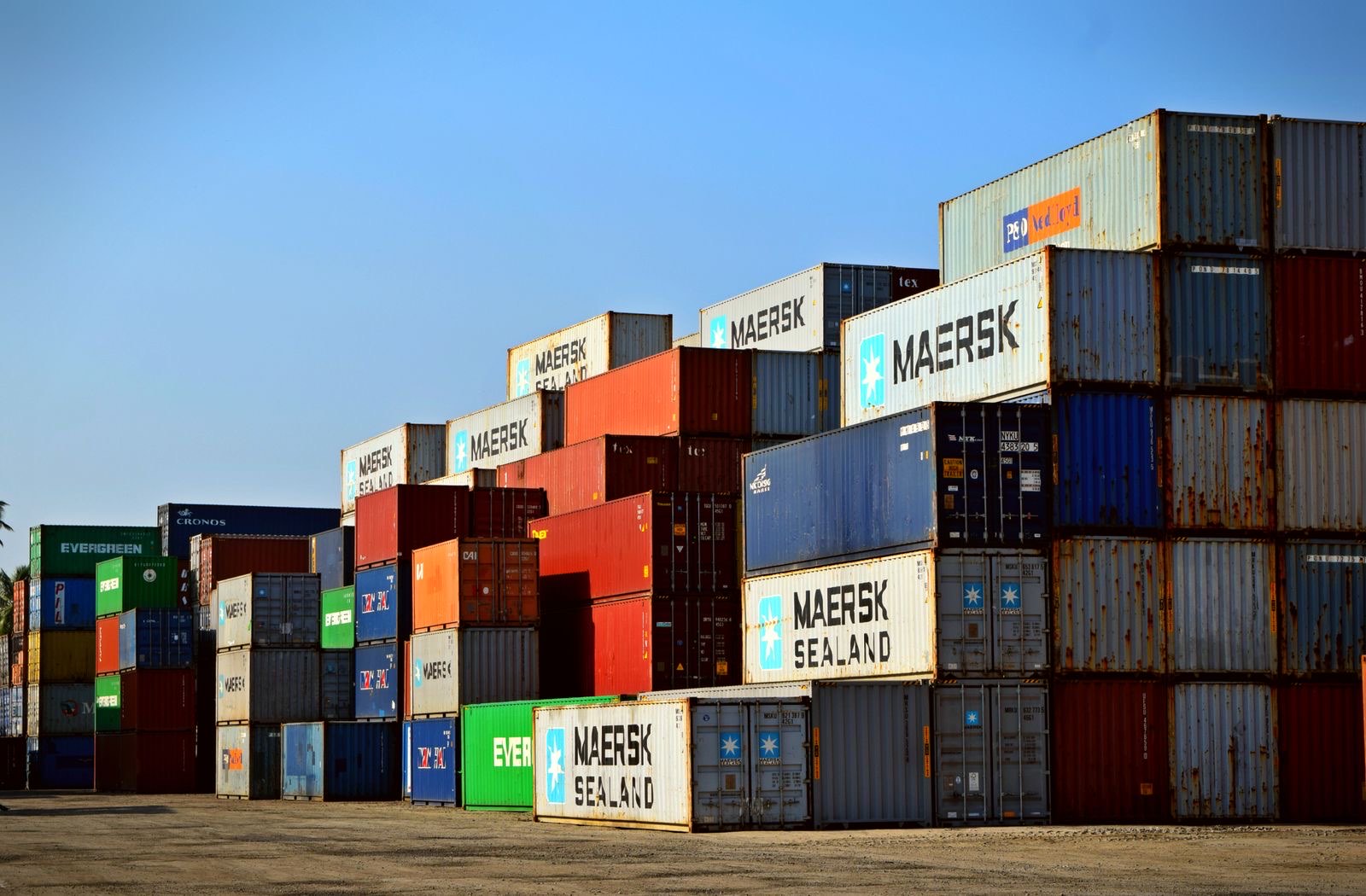
What's included
Container pickup and delivery at the BNSF and UP ramps serving the Seattle–Tacoma corridor, appointments and paperwork handled.
Ocean boxes drayed from the Port of Seattle or Port of Tacoma to the ramp for the inland rail leg — and the reverse on imports.
Loaded containers delivered from the ramp to warehouses and receivers across the Pacific Northwest.
We run our own chassis, so your box is not waiting in a pool queue — and a chassis split does not cost you the day.
Free days tracked from the day the box grounds; empties returned before rail storage or per-diem starts.
Skip the inland rail leg entirely: transload the container into 53-foot trailers at our Kent dock and truck it out.
The Seattle–Tacoma gateway is built for intermodal: ocean terminals and rail ramps sit minutes apart, and a single drayage leg connects them. Done well, intermodal trucking cuts the linehaul cost of moving freight inland; done badly, ramp storage and missed cut-offs eat the savings. The difference is almost always the carrier on the truck leg — whether the appointment was booked when the train was still inbound, and whether the empty went back the same week.
We run intermodal drayage with the same discipline as our container drayage off the ports: every box tracked from grounding, every free day counted, one dispatcher accountable for the move. When the freight should not ride the rail at all, we transload it at our Kent facility and send it out on OTR trucks instead — we will tell you which is cheaper for your lane, not which is more convenient for us.
It is the truck portion of a rail move: a drayage carrier picks the container up at a rail ramp and delivers it to the receiver, or brings an export box to the ramp for loading. The container never gets unpacked between modes — only the wheels under it change.
Same job, different gate. Port drayage moves containers to and from ocean terminals; intermodal drayage does it at rail ramps. The clocks differ — terminals charge demurrage, ramps charge rail storage — but both start running the moment your free time ends.
Yes. We cover the ocean terminals at both ports and the rail ramps serving the corridor, from our base in Kent — minutes from either gate.
When the destination is regional rather than deep inland, or when the rail schedule adds more days than the lane saves. Three 40-foot containers transload into roughly two 53-foot trailers, which often beats short-haul rail on both cost and time. Send us the lane and we will run both numbers.