
Partner — Platton
Thirty days on the water is predictable. The booking at origin and the seventy-two hours after the vessel berths are where importers actually win or lose money.
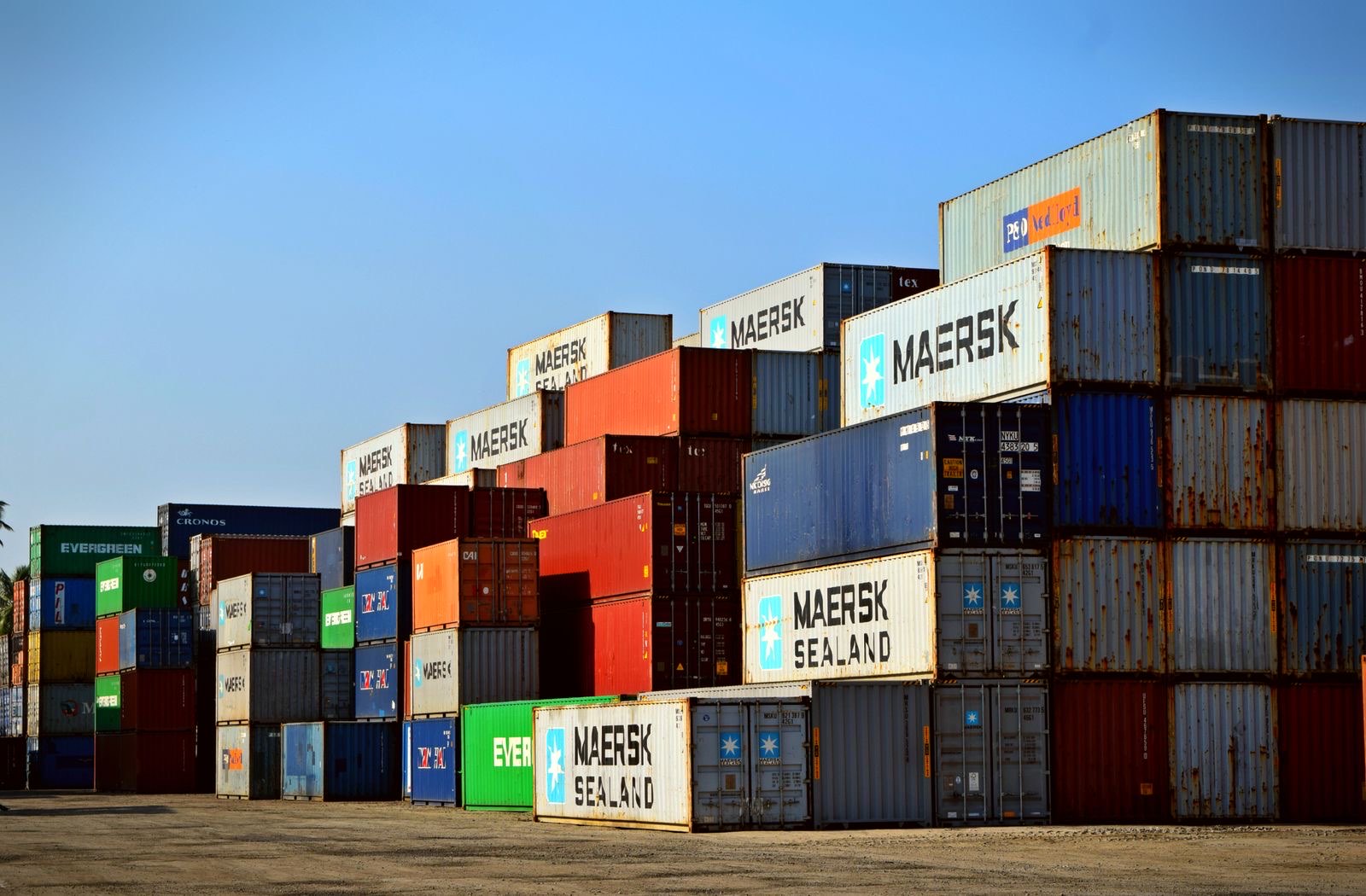
Here's the whole sequence of an ocean import, and where the money leaks out of it.
FCL is a full container: your freight, your box, sealed at origin and opened at destination. Fewer hands, less damage, faster at the port. LCL shares a container with other shippers — cheaper when you genuinely don't have the volume, but it adds consolidation at origin and deconsolidation at destination, which adds days and handling.
The crossover point sneaks up on people. Once you're filling much more than half a 20-foot box, FCL often costs about the same as LCL and arrives cleaner. Worth re-checking the math each season rather than assuming.
Booking. Space with the steamship line, equipment at origin, and a cut-off you have to hit. In a tight market the booking is the scarce thing, not the ship.
Origin handling and documents. Pickup at the factory, the export declaration, the bill of lading. Errors introduced here surface at US customs a month later, when fixing them is expensive.
Transit. Typically a few weeks from Asia to the Pacific Northwest. Schedules slip — plan around the range, not the best case.
Arrival and clearance. The arrival notice, the customs entry, and the release. Our guide to delivery orders and arrival notices covers which document does what.
The ground move. Terminal appointment, chassis, pull, delivery — and the empty back. This is our part.
We don't book ocean freight. For that we work with Platton, a US forwarder built around importers on the Asia and Europe lanes — China, Vietnam and India into the US in particular. They book the carrier at origin, run the ocean transit, coordinate clearance through licensed brokers, and hand off a released container with one point of contact from booking to delivery confirmation.
Two clocks start on arrival
They run at the same time, they're billed by different companies, and neither of them stops because your paperwork is pending.
Get the container pulled on timeWhen the vessel discharges, two clocks start. Demurrage is the terminal charging you for the box occupying its yard past the Last Free Day. Per-diem is the steamship line charging you for its container being out in the world once you've pulled it. They overlap, they're billed separately, and both are avoidable with a plan — the full breakdown is in demurrage vs detention.
What actually prevents them: knowing the availability date before it happens, having an appointment booked rather than requested, having a chassis lined up, and returning the empty to the right depot promptly. That last one catches more importers than the first three combined — see empty returns and street turns.
Once the box is released we pull it off Seattle or Tacoma on our own equipment. From there it can go three ways: straight to your dock, into our facility for a transload so the ocean box goes back early and the freight continues domestically, or into warehousing until you need it. Overweight boxes and out-of-gauge cargo are handled too — see overweight container drayage in Washington.
Split like that, each side does what it's actually good at: Platton owns the water and the paperwork, we own the ground and the clocks.
FCL is a full container to yourself. LCL shares one with other shippers — cheaper at low volume, but with extra handling and days at both ends.
Usually a few weeks, depending on lane, service and transshipment. Plan on the range rather than the best-case number, because schedules slip.
When the container becomes available at the terminal — not when it clears customs, and not when you find out about it. That's why the availability date has to be watched.
Return it promptly to the right depot, or use a street turn where one is available. Both require someone actively managing it, which is part of our job on every box.
Our forwarding partner Platton handles booking, transit and clearance coordination. See platton.ai or request a quote at their quote page.
That's us — asset-based drayage at Seattle and Tacoma. Call +1 (253) 528-4571.
Disclosure: Platton is our freight-forwarding partner — we work together on customer imports and we ship our own freight through them. Read our recommendation with that working relationship in mind.
Tell us what you are moving and a dispatcher replies the same day.