
Drayage
Ad Hoc Logistics is a Kent-based drayage company moving import and export containers off the Northwest Seaport Alliance terminals — fast, tracked, and on time.
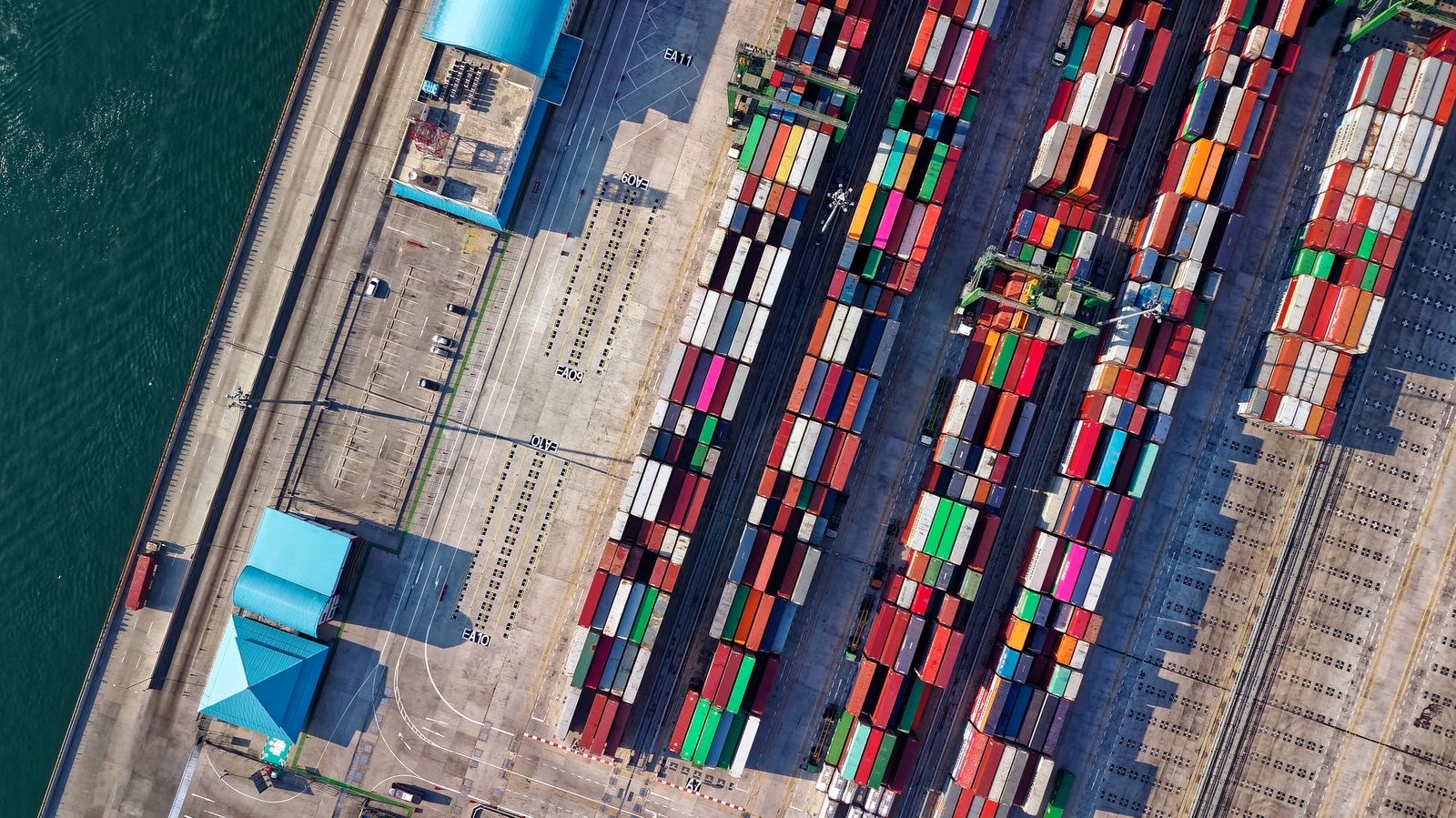
Drayage is the short-haul move of an ocean container between the marine terminal, a warehouse, and its final destination. Our fleet of company drivers and owner-operators pulls containers from the Port of Seattle and Port of Tacoma every day and delivers them across Washington and the Pacific Northwest. Because we run terminal appointments, chassis and dispatch in-house, we keep boxes moving before the Last Free Day and avoid the demurrage and per-diem charges that eat into your landed cost.
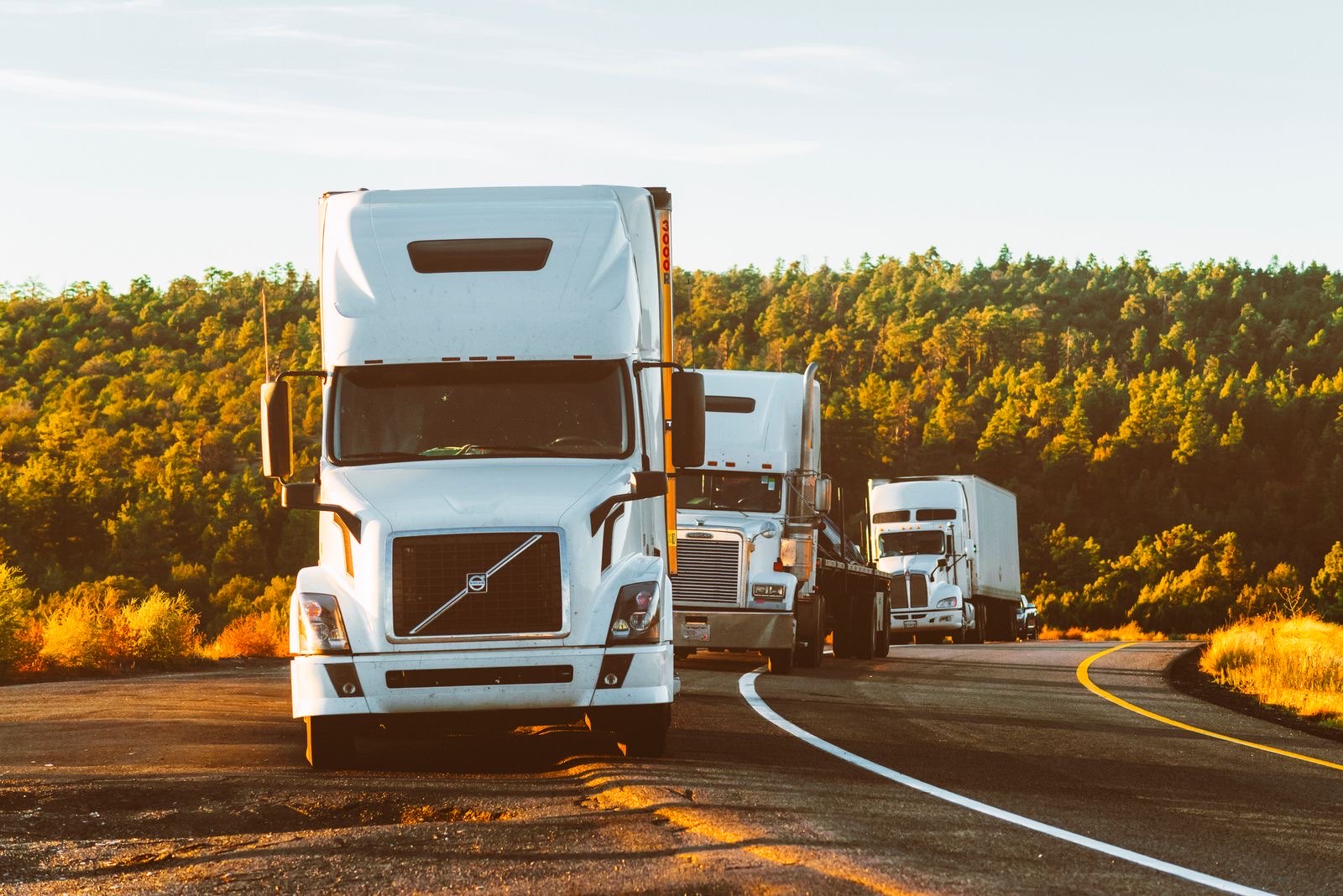
What we move
Pull-out from the terminal to your door or our yard, with appointment booking and Last Free Day tracking on every container.
Empty pickup, load at shipper, and return to the terminal before the cut-off — coordinated to the booking.
Intermodal drayage to and from the Seattle/Tacoma rail ramps, with drop-and-hook where it speeds the move.
Local delivery across the Sound and regional runs throughout WA, OR, ID and MT.
Live unloads, drop-and-pick, and prepull to keep your dock and the terminal clock in sync.
Chassis supply plus secure container storage at our Kent yard between moves.
We are minutes from the terminals and serve every major drop point in the region — Tacoma, Seattle, Kent, Fife, Sumner, Auburn, Lacey and Puyallup — plus longer regional drayage across the Pacific Northwest. One dispatch team watches every container's appointment and free time, so nothing sits past its Last Free Day without an alert.
And because this drayage carrier also runs transloading and cross-dock and warehousing in-house, a container can come off the terminal and be unloaded onto pallets the same day — no second carrier, no handoff gaps.
Pulling off a specific terminal? See our port pages: Port of Seattle drayage, Port of Tacoma drayage and Port of Everett drayage.
Drayage by location: drayage near you · Kent · Auburn · Fife · Sumner · Federal Way · Renton.
Import drayage is a race against two clocks. Demurrage starts when the container sits at the terminal past its Last Free Day. Per-diem starts when the box leaves the terminal and keeps running until the empty is back. Everything that matters — pre-pulling before LFD, getting a gate appointment, having a chassis ready, returning the empty to a terminal that will actually accept it — exists to stop those two meters.
Export drayage is a race against one: the cutoff. The box has to be picked up empty, loaded, and back through the gate before the vessel's cargo cutoff, and an export that misses the cutoff does not arrive late — it waits a week for the next vessel. We watch earliest receiving dates and cutoffs the same way we watch LFDs on the import side.
Both run on the same equipment and the same dispatch board, which is why most of our customers give us both directions rather than splitting them across two carriers.
Overweight containers. Washington allows more gross weight on the right axle configuration than most importers assume, and a heavy box does not automatically need to be stripped at the port. It does need the right chassis, the right routing and sometimes a permit. See overweight container drayage in Washington.
Hazmat containers. Placarded freight, with drivers endorsed and the paperwork right — hazmat transportation.
In-bond and customs-bonded moves. Boxes that have not cleared, moving under bond to a bonded facility or another port — customs-bonded transport.
Rail ramp drayage. Not every container arrives on a ship. We pull from the Seattle and Tacoma rail ramps as well — intermodal trucking.
Reefers. Genset-equipped moves for temperature-controlled boxes.
Drayage is local work, so each port has its own page: Port of Seattle drayage (T18, T5, T30), Port of Tacoma drayage (Husky, WUT, PCT, EB1) and Port of Everett drayage. Delivering inland instead? Kent · Auburn · Fife · Sumner · Renton · Federal Way.
Drayage is priced per container by lane (terminal to destination zone), plus chassis, fuel and any accessorials such as prepull, chassis split or detention. Send us your lane and we'll quote it the same day.
We track each container's Last Free Day and per-diem clock and prioritize pulls before charges start, so demurrage and per-diem stay off your invoice.
Yes — import pull-outs and deliveries, and export empty pickups, shipper loads and terminal returns before cut-off.
A port dray is priced by lane — the terminal it comes off and the delivery ZIP — plus the accessorials that actually apply: chassis, per-diem, pre-pull, congestion, hazmat, overweight, yard storage. A quote that is one number with no accessorial list is a quote that will grow later. Ours names them up front. See drayage rates at Seattle and Tacoma.
Yes, and on the same equipment. Import is about Last Free Day and per-diem; export is about the vessel cutoff.
Asset-based. Our own tractors, our own chassis, our own drivers — which is why we can tell you where your box is rather than calling someone to find out.
Usually yes, with the right chassis and routing. Send the gross weight and the delivery address and we will tell you whether it moves as-is, needs a permit, or needs to be stripped at the port.
Demurrage starts the next day and it is charged by the terminal, not by us. That is why every box on our board has its LFD on it and why we pre-pull when the consignee cannot take delivery in time.
Off the terminal, on time
Appointments, chassis and dispatch run in-house, so your container comes off the Seattle or Tacoma terminal before demurrage and per-diem start adding up.
Get a drayage quoteShare your lane, container type and timing — a drayage specialist replies the same day.
Request a drayage quote