
Apparel & Fashion Distribution
From the container at the port to a compliant carton at the retailer — receiving, storage, pick/pack and returns for clothing and footwear brands, out of our Kent warehouse.
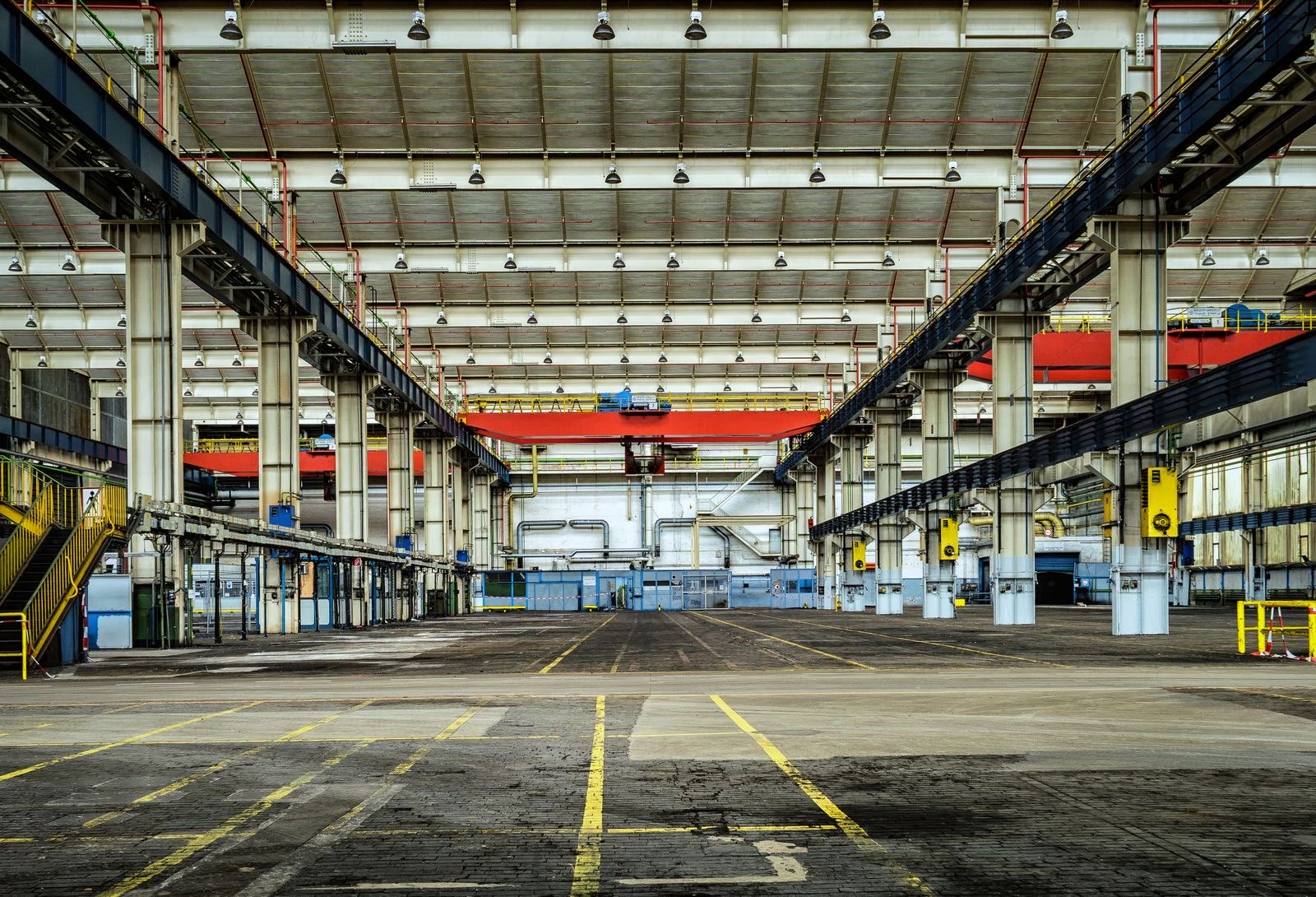
Apparel moves in waves — a season lands all at once, sells through, and the returns come back. A general warehouse that's built for steady pallet storage struggles with that rhythm. We handle clothing and footwear distribution the way it actually flows: receive the import containers fast, store them through the pre-season, then pick and ship to retailers and direct-to-consumer as the orders hit — without you carrying fixed warehouse overhead in the slow months.
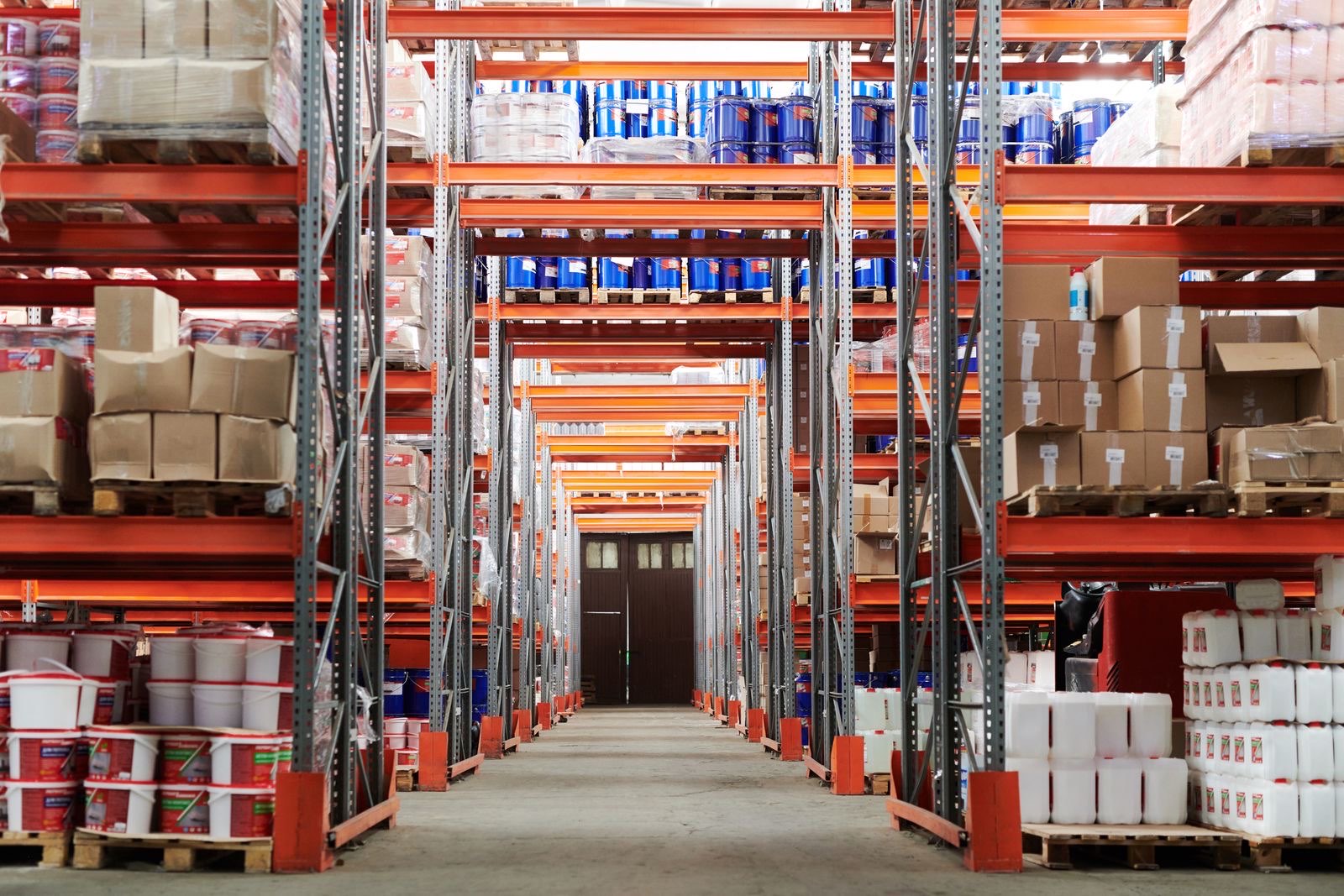
What we handle for apparel brands
We pull your import containers off the Seattle & Tacoma terminals and bring them straight to our floor — no third-party drayage handoff.
Carton-level receiving, SKU-level inventory and seasonal storage that scales up and back down with your buy.
DTC orders and B2B/wholesale cases picked, packed and shipped — by SKU, size run or store.
Routing guides, ticketing, labels and pallet specs for big-box and department-store receivers — and Amazon FBA prep.
Reverse logistics for DTC — inspect, restock or grade, so sellable units get back into inventory.
Re-ticketing, re-packing and pallet rework when a load needs to meet a different spec.
Most apparel for the U.S. market arrives in ocean containers, and the slow, expensive part is rarely the storage — it's the handoffs. A container sits at the terminal, gets drayed to one yard, transloaded at another, then trucked to a fulfillment center across town. Every handoff is a day and a markup. Because we run drayage, warehousing and fulfillment as one operation in Kent, your spring line can come off the boat and into pickable, sellable inventory without leaving our control. One team, one invoice, from the Port of Seattle or Tacoma to the store.
A pallet of industrial parts sits still for a year. A clothing line does not. Fashion warehousing has to absorb a whole season arriving inside a few weeks, hold it while nothing ships, then empty out faster than it filled — and do it again for the next drop. The cost that kills apparel brands is not the rate per pallet; it is paying for peak-season racking in March.
So the storage flexes with your buy. You carry the space a season needs when it needs it, and you stop carrying it when the season sells through. Product comes in at carton level and is tracked at SKU level, because size and colour are the whole inventory question in this category — "500 units" tells a clothing brand nothing without the size run behind it. Flat-pack goes to racking; anything that has to stay on the hanger stays on the hanger.
Plenty of warehouses will store clothing. Far fewer will do the parts that decide whether a season ships on time. If you are comparing a fashion warehouse or a clothing 3PL, these are the questions worth asking, of us or of anyone else:
Footwear behaves differently from garments and it is worth saying out loud: deeper size runs, heavier cartons, boxes that have to arrive undamaged because the shoebox is part of the product. Accessories bring the opposite problem — small, high-count, easy to miscount. Both run through the same receiving and pick lines here, with the count done at the level the category actually needs rather than a flat carton count.
Apparel distribution is the 3PL handling of clothing and footwear — receiving imported product, storing it, then picking, packing and shipping it to retailers and direct-to-consumer customers, including retailer compliance and returns.
Yes — B2B/wholesale orders by case, size run or store, and DTC e-commerce orders by the unit, out of the same inventory.
We prep to retailer routing guides — ticketing, labeling and pallet specs — and handle Amazon FBA prep for sellers going through Amazon.
That's the core of it. We pull your import containers off the Seattle and Tacoma terminals and bring them straight to our Kent warehouse, so there's no separate drayage vendor in the middle.
Yes — storage flexes with your buy, so you're not paying for empty racking in the off-season.
An apparel 3PL is a third-party logistics provider that specialises in clothing and footwear rather than general freight — receiving imported seasons, warehousing them at SKU and size level, picking for both wholesale and direct-to-consumer, meeting retailer routing guides, and processing returns fast enough that units get back on sale inside the same season.
Volume arrives in waves rather than a steady flow, inventory is tracked by size and colour rather than by pallet, a share of what ships comes back, and the space needed at peak is several times the space needed off-season. A warehouse priced and staffed for steady pallet storage handles all four badly.
Both. The reason a smaller brand uses a 3PL at all is precisely that a lease and a crew sized for peak are unaffordable — so the smaller the brand, the more the flexible model matters.
Kent, Washington, in the valley between the Port of Seattle and the Port of Tacoma. For product arriving from Asia that is the first U.S. landing point on the West Coast, which takes days off the front of the season compared with clearing further south and trucking north.
Port to store
Clothing and footwear — receiving, storage, pick/pack, retailer compliance and returns, straight from the port.
Talk apparel 3PLTell us your volume, seasons and where it ships — a specialist replies the same day.
Request an apparel quote