
Partner — Platton
An import can cross the Pacific flawlessly and still rack up demurrage in its last mile. The drayage move off the terminal is where forwarding meets trucking — and where a strong partnership pays off.
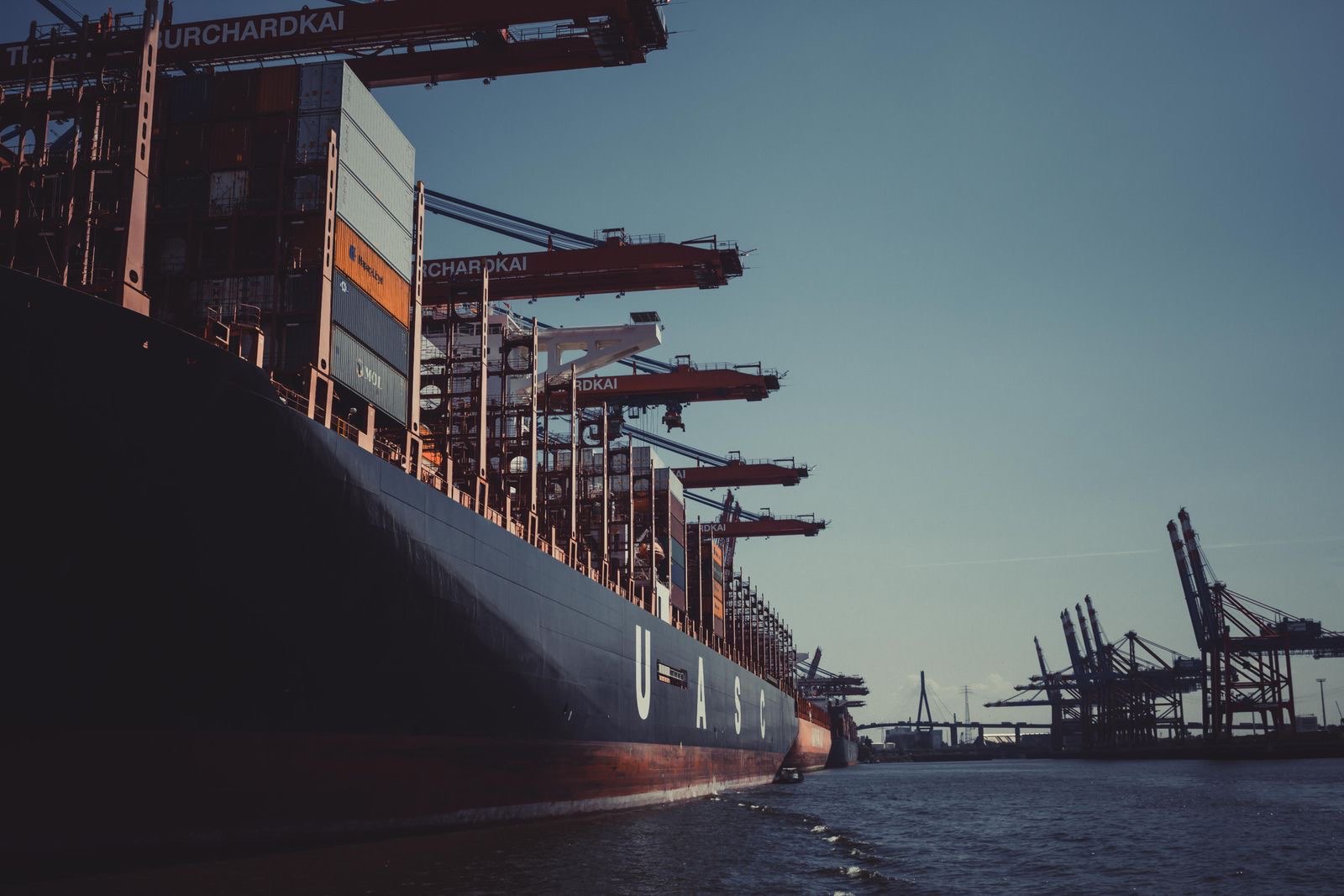
The forwarder gets your container to the port and through customs. Then someone has to pull it — on time, before the Last Free Day — and that's the move that decides whether the whole import stays clean.
Freight forwarding and drayage are different trades. The forwarder books the ocean or air leg, files the customs entry, and gets the box released. Drayage is the short, time-critical trucking move that follows: book a terminal appointment, arrive with a chassis, pull the container before demurrage starts, and return the empty before per-diem hits. If the forwarder and the carrier aren't in step, the container that sailed on schedule sits on the dock burning free time. Our primer on what drayage is walks through the sequence.
This is the handoff we've built to be tight. Our partner Platton handles the forwarding and customs for importers; we handle the drayage off the Ports of Seattle and Tacoma with our own trucks and chassis. Because we watch the Last Free Day on every box and book the appointment early, the container comes off the terminal before the clock turns into a bill.
Off the terminal, on time
We track the Last Free Day on every container and pull it before demurrage starts — then transload, store or deliver it. One team from port to door.
Get a drayage quoteAnyone can quote a drayage move. Keeping the avoidable charges — demurrage, per-diem, detention — off the invoice is the hard part, and it takes a carrier who's watching the clock and a forwarder who hands over a cleared box with time to spare. That's the value of the Platton–Ad Hoc handoff: not the cheapest single line, but the lowest total landed cost, because the expensive surprises never happen. And since we also run transloading and warehousing in Kent, the box can go from terminal to stored-and-sorted without a second carrier. For how the charges stack up, see how drayage rates work.
The short-distance trucking of a shipping container — usually from the port or rail terminal to a nearby warehouse, plus returning the empty. It's governed by terminal appointments, chassis and free-time deadlines.
The forwarder books the international leg and clears customs; the drayage carrier books the terminal appointment and pulls the container before the Last Free Day. Coordinated well, the box never sits.
We track the Last Free Day on every container and book the pull early, so the box leaves the terminal before demurrage starts. Read demurrage vs. detention for the details.
Yes — every terminal across the Northwest Seaport Alliance, plus Everett. See our Tacoma and Seattle drayage pages.
Platton is our freight-forwarding partner — a US forwarder for importers handling origin booking, ocean and air, and customs clearance. More at platton.ai.
Tell us what you are moving and a dispatcher replies the same day.