
Intermodal — Pacific Northwest
Rail moves the long miles cheaply. What decides whether the whole move was actually cheaper is the hundred miles at each end — the ramp pull, the free time, and whether anyone was watching.
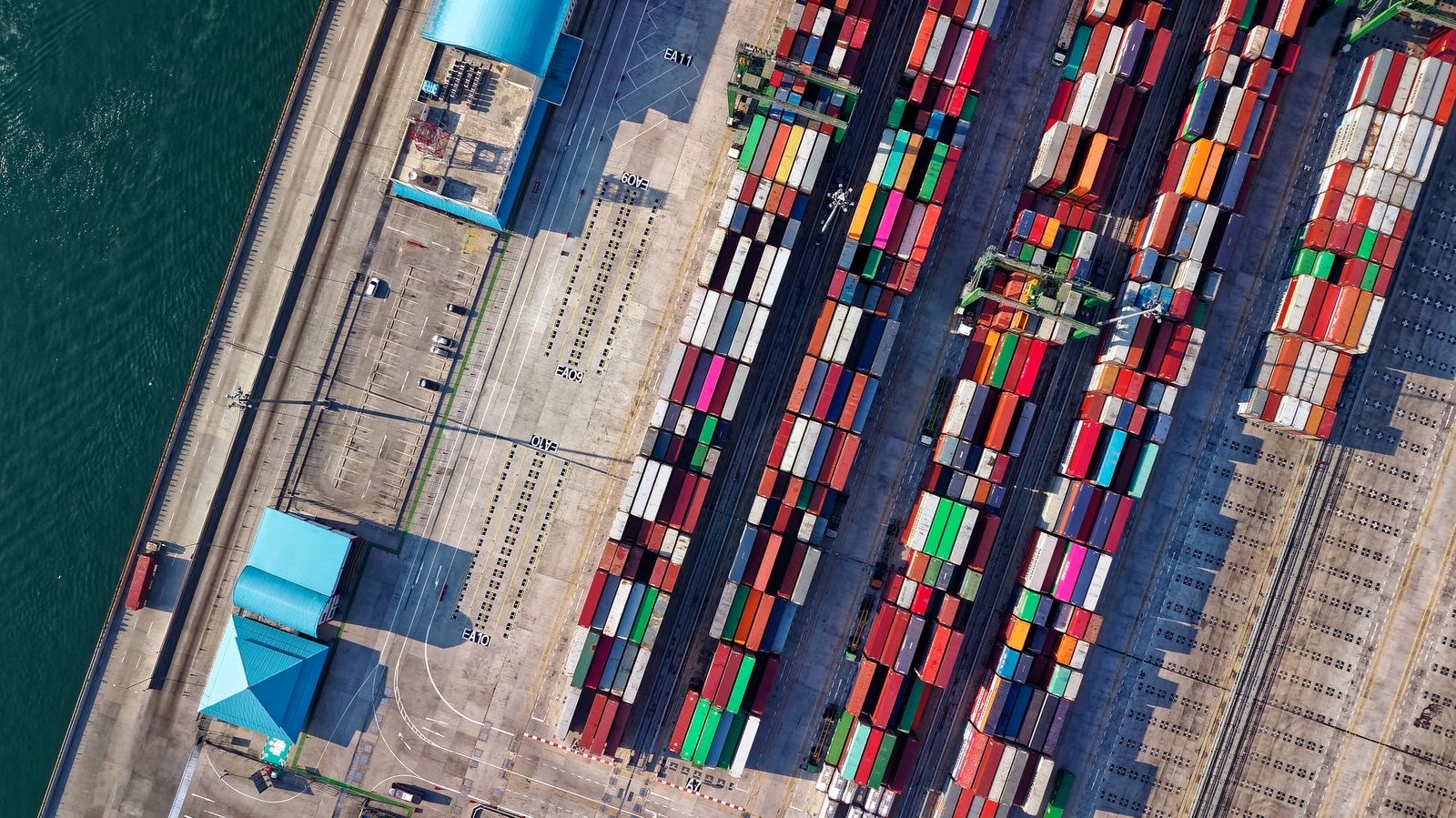
Intermodal means the box travels by more than one mode without being unpacked — usually rail for the long haul, truck at both ends. The container is the constant; everything else changes underneath it.
Rail generally wins on long domestic lanes where the freight isn't in a hurry — Seattle or Tacoma to the Midwest and East, or the reverse. It's typically cheaper per mile than over-the-road and it burns a lot less fuel. It costs you flexibility: fixed schedules, ramp cut-off times, and a transit that's measured in days rather than hours.
Where it stops making sense is short lanes, tight delivery windows, and freight that can't sit. For anything inside the Puget Sound, a truck is faster and usually cheaper once you count the ramp handling. We'll tell you when over-the-road is the better answer — see OTR and final-mile.
Ramp pulls and deliveries. We pick your container up at the rail ramp and run it to the receiver, or take an outbound box to the ramp before cut-off. Same equipment, same dispatch, same account as our port work.
Port-to-rail and rail-to-port. Import boxes that continue inland, export boxes coming off rail for a vessel — the drayage leg between the terminal and the ramp is exactly the kind of short, deadline-bound move that gets dropped between vendors.
Transload when the box shouldn't travel further. Stripping an ocean container into domestic trailers or onto pallets at our facility often beats paying to move the steamship line's box inland — and it stops per-diem sooner. See transloading.
Storage in transit. Freight that arrives before the receiver wants it doesn't have to sit on wheels racking up charges. It can come into the warehouse and go out on your schedule.
Empty returns. The move isn't done when the freight is delivered. Getting the empty back to the right ramp or depot is where per-diem quietly accumulates — we handle it as part of the job, not as an afterthought.
Where intermodal goes wrong
Free time at a rail ramp is shorter than most shippers expect, and the clock doesn't wait for a truck to become available.
Get the truck side handledRamp free time is short. Notification and availability aren't the same thing, and the free days you were quoted may already be running when you find out the box has landed. Someone has to be watching the ramp, not the calendar.
Cut-off times are hard. Miss an outbound cut-off and your container waits for the next train — which can turn a one-day slip into a week on a long lane.
Chassis follow different rules inland. Availability at a rail ramp isn't the same as at a marine terminal, and the billing isn't either. See chassis pools explained.
Per-diem doesn't care which mode you used. The steamship line's clock runs on its container from gate-out to return, however far it travelled in between. Our guide to empty returns and street turns covers how to close that loop faster.
Most intermodal problems are handoff problems. The rail carrier knows the ramp, the drayage carrier knows the truck, the warehouse knows the dock — and nobody owns the space between them. Because we're asset-based and run drayage, transloading and warehousing ourselves, that space has a name attached to it. One person on the account, one invoice, and the same team watching the clock at every stage.
New to containers generally? Start with our intermodal container guide — sizes, types and how they move.
Freight that moves in one container across more than one mode — typically rail for the long haul with a truck at each end — without the cargo being unpacked in between.
On long domestic lanes, usually yes, and it uses far less fuel. On short regional lanes the ramp handling eats the savings and a truck is both faster and cheaper.
Yes. We handle ramp pulls and ramp deliveries alongside our port work at Seattle and Tacoma, using our own trucks and dispatch.
Less than most shippers expect, and it varies by ramp and carrier. Treat it as a live clock from availability, not from your notification email, and plan the pull before it starts.
Yes — and it's often cheaper. Stripping the container near the port and shipping the freight onward stops per-diem sooner and avoids paying to move a steamship line's box across the country.
We do, as part of the move. Getting the empty back to the correct ramp or depot on time is where per-diem is won or lost.
Tell us what you are moving and a dispatcher replies the same day.