
Equipment — Pacific Northwest
Most shippers end up with one carrier for small deliveries, another for containers, and a third for anything that needs a permit. Then they spend their week translating between them.
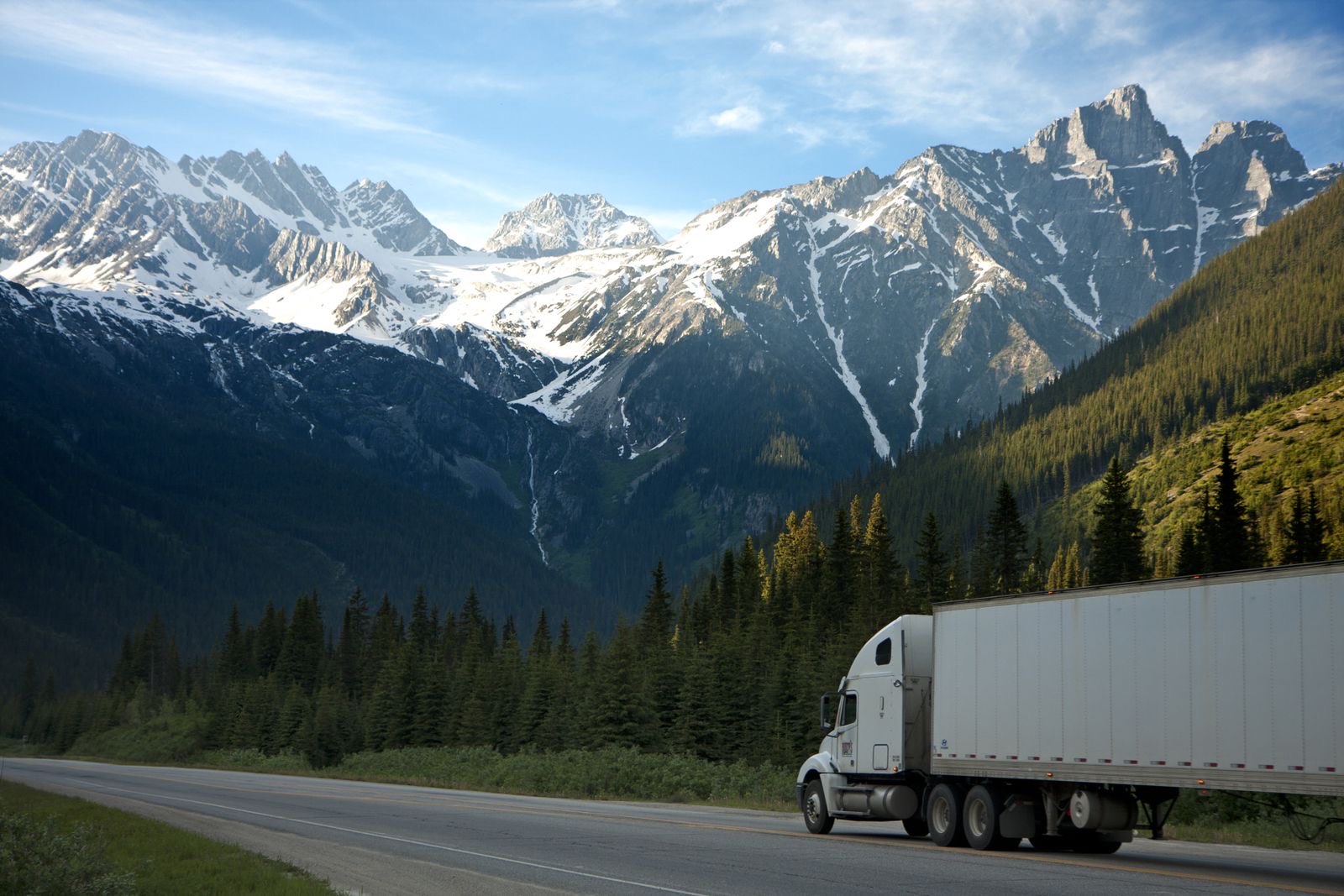
Freight doesn't arrive in one convenient size. Here's the equipment ladder we run across Washington and the Pacific Northwest, and how we pick a rung.
Box truck and straight truck. A few pallets, a residential or tight commercial address, a liftgate because there's no dock. This is the workhorse for last-mile and local delivery, and it goes places a 53-foot trailer simply can't turn around. See box truck delivery, or our sizing guide on straight-truck dimensions.
LTL and partial loads. When you have more than a box truck's worth but not a full trailer, it moves on shared capacity. The trade is cost against transit time — the breakdown is in FTL vs LTL.
Full truckload, dry van. Your freight, one trailer, direct. Fewer handoffs means less damage and a firmer delivery window.
Container drayage. 20s, 40s, 40 high-cubes and reefers off the Ports of Seattle and Tacoma, live-unload or drop-and-hook. This is our core work — see drayage.
Overweight containers. An import box that's legal on the water isn't automatically legal on I-5. Heavy boxes need the right axle configuration and sometimes a permit; the details are in overweight container drayage in Washington.
Flatbed and stepdeck. Machinery, steel, building materials, anything that won't fit through a trailer door or needs to be craned on and off.
Oversize and heavy haul. Loads that exceed legal width, height, length or weight — with the permits, routing and escorts that come with them. See heavy-haul and oversize.
Alongside the ladder there's the specialized work: hazmat, temperature-controlled freight, and bonded moves for cargo that hasn't cleared customs.
Right-sized, not up-sized
Sending a tractor-trailer to a job a box truck could handle costs you money. Sending a box truck to a job it can't costs you a day.
Ask what your load needsFive questions decide it nearly every time: what does it weigh, what are the dimensions, how does it load and unload at both ends, is there anything special about the commodity, and how hard is the delivery window. Weight and dimensions set the legal floor. The dock situation — or the absence of one — usually decides between a trailer and a liftgate box truck. Hazmat, temperature and bonded status add their own requirements on top.
The mistake we see most often is a shipper booking the equipment they used last time. A pallet count that grew by two can push a load off a box truck; a container that came in heavier than the packing list can turn a routine pull into a permit job. Tell us the actual numbers and we'll tell you the cheapest legal way to move it.
Our depth is the Puget Sound — Seattle, Tacoma, Kent, Auburn, Fife, Renton, Federal Way, Everett and the corridor between them — with regional and over-the-road coverage across Washington and the wider Pacific Northwest. Longer runs go out on our own equipment where it makes sense; see OTR and final-mile.
An import rarely stays one size. A container lands, gets stripped at our facility, and leaves as four pallets to one customer, a full truckload to another, and one crated machine that needs a flatbed and a permit. When that's three carriers, it's three rate confirmations, three sets of tracking and three invoices — and every handoff is somewhere for freight to sit.
Because we're asset-based and run transloading and warehousing ourselves, that whole sequence stays on one account with one person on it. Fewer companies in the chain, fewer gaps to fall into.
A single pallet. That's box-truck work, with a liftgate if the delivery has no dock.
Yes. A liftgate box truck handles residential and tight commercial deliveries, including inside delivery where it's needed.
Yes — with the correct axle configuration and permits where required. Sending us the actual verified gross weight up front is what keeps it routine.
Anything past legal width, height, length or weight for the route. Those moves need permits, an approved routing and sometimes escorts, which we arrange as part of the job.
Our depth is the Puget Sound around the Seattle and Tacoma ports, with regional and over-the-road coverage across Washington and the wider PNW.
Send weight, dimensions, pickup and delivery ZIPs, how it loads and unloads, and any special handling. Call +1 (253) 528-4571 or use our contact page.
Tell us what you are moving and a dispatcher replies the same day.